
Democracy Is Not Failing. It Is Being Deliberately Dismantled.
The erosion of democratic norms is not a symptom of system failure — it is the output of a systematic project that has been running for twenty years.
There is a comfortable story we tell ourselves about the global retreat of democracy. It goes like this: democracy is a system that, under sufficient economic and social pressure, develops cracks. Populism fills those cracks. Institutions weaken. Backsliding follows. The story is tragic, but impersonal — the product of forces rather than choices.
This story is wrong, or at least dangerously incomplete.
What we are witnessing is not the passive erosion of democracy by circumstance. It is the active dismantling of democratic infrastructure by political actors who have correctly identified that the rules of democratic competition can be used to eliminate democratic competition itself.
The Playbook Is Not New
Political scientists have documented this playbook extensively. It begins not with coups or dramatic seizures of power but with the patient capture of institutions: courts, electoral commissions, public broadcasters, prosecutorial offices. The goal is not to abolish democracy but to hollow it — to maintain its forms while evacuating its substance.
Rania Khalil is a Contributing Editor at Imprint, writing on democracy, governance, and political economy.
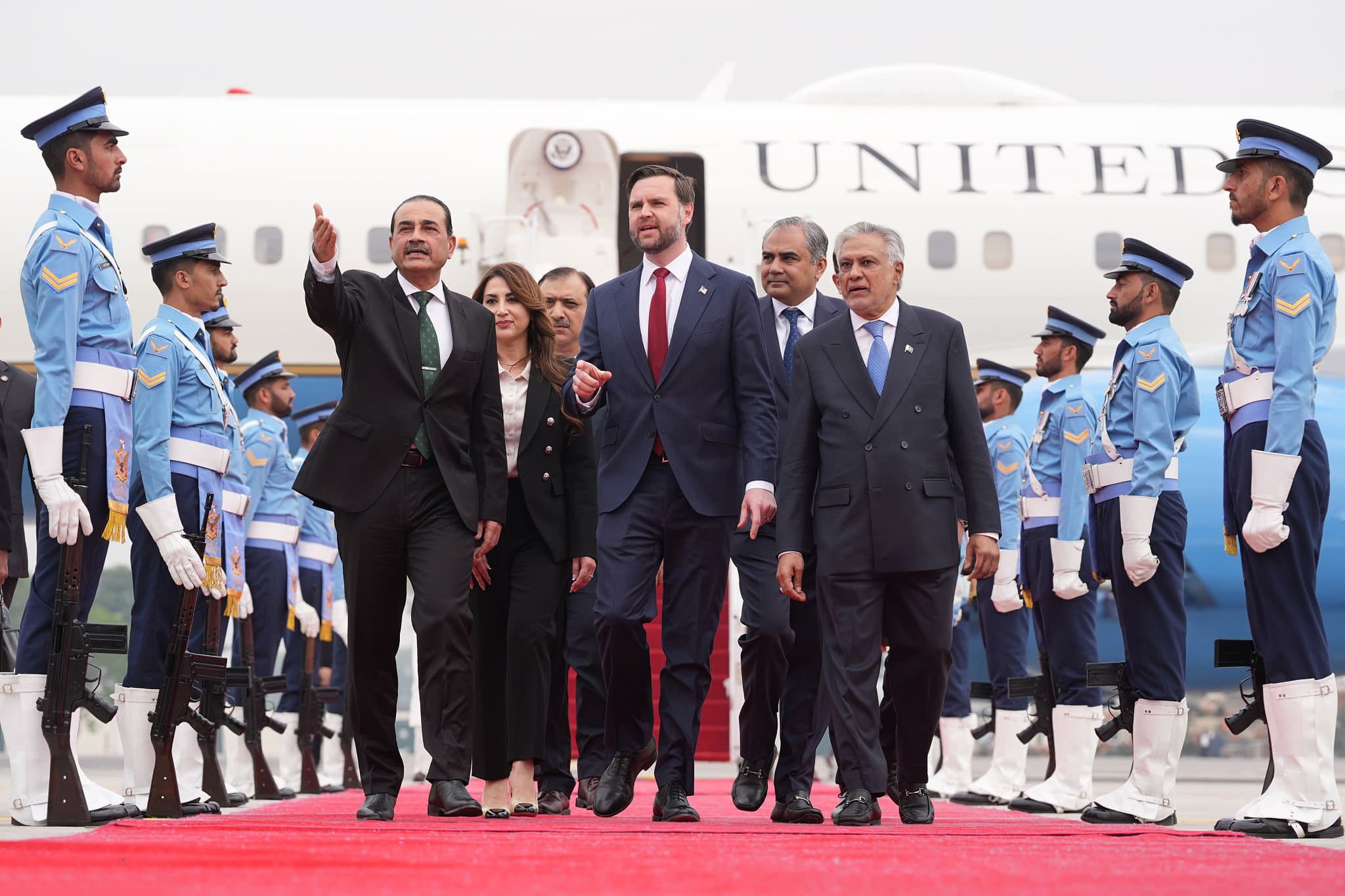
The Rawalpindi Gamble: Why Pakistan's Strategic Bets Could Backfire
Field Marshal Asim Munir has made Pakistan useful to Washington and Riyadh. But countries that build their foreign policy on personal patronage and concentrated dependence rarely emerge stronger - and Pakistan's 259 million citizens will bear the cost when the calculus shifts.
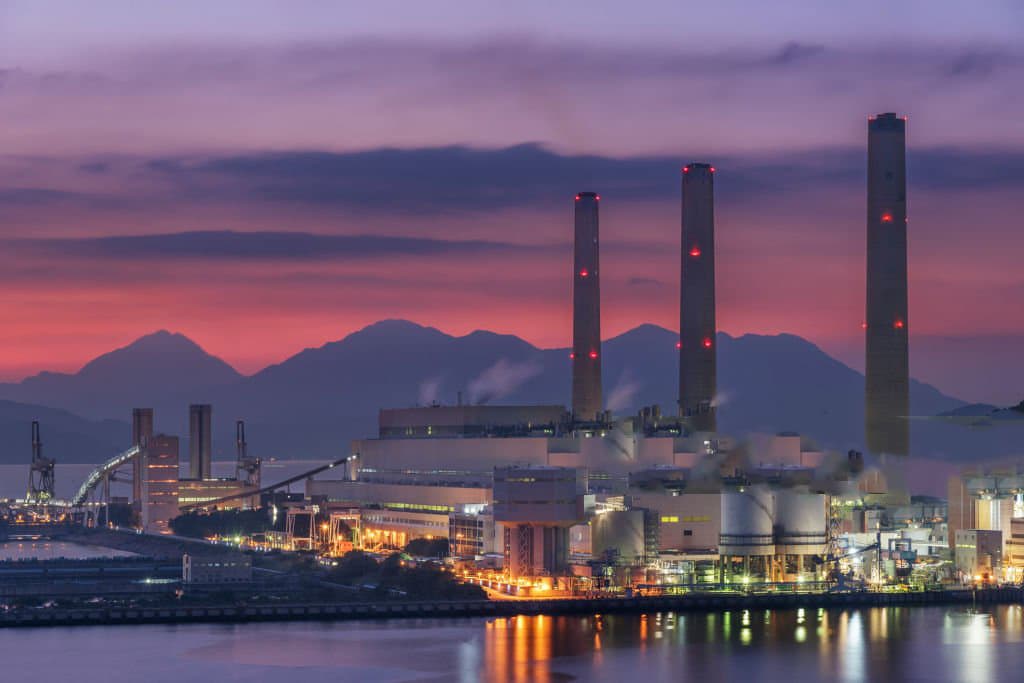
The New Architecture of Gulf Power in a Multipolar World
As Washington recalibrates its regional posture and Beijing deepens its economic footprint, the Gulf states are no longer choosing sides — they are writing the rules of a new game entirely.
Weekly intelligence for serious readers
Original analysis, featured essays, and the ideas shaping the region — delivered every Thursday.