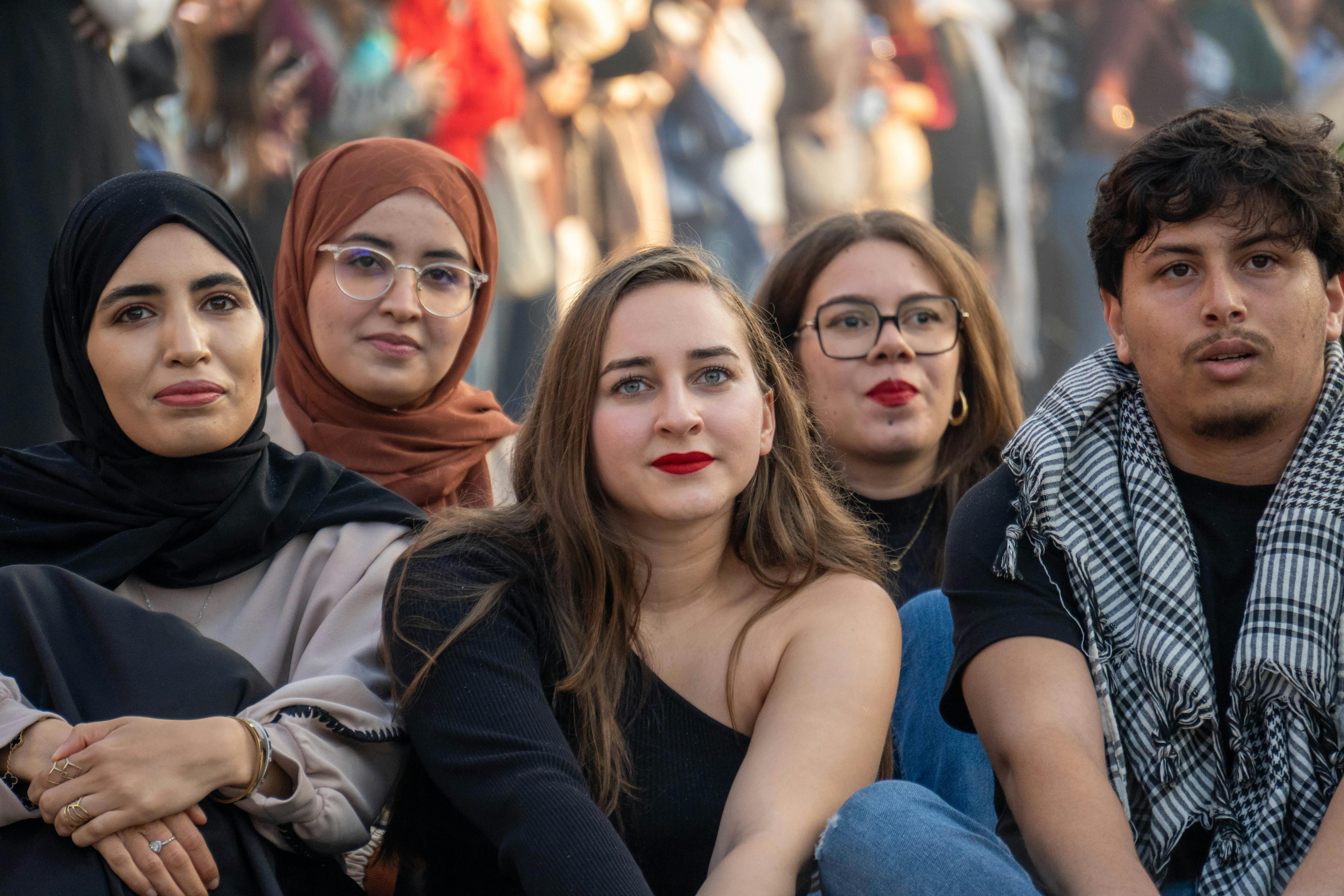
The Arab Youth Paradox: Globally Connected, Locally Frustrated
A generation raised on global media, educated abroad, and fluent in the language of opportunity finds itself navigating labour markets and social structures that were not designed for them.
Walk through the co-working spaces of Dubai, the university campuses of Beirut, or the startup hubs of Amman, and you encounter a generation that defies easy categorisation. They are globally literate, digitally native, and — in many cases — genuinely entrepreneurial. They speak the language of disruption and have the credentials to match.
They also face youth unemployment rates that, across much of the Arab world, remain among the highest on the planet.
The Paradox Defined
The Arab youth paradox is this: the region has invested heavily in educating a generation that its economies are not yet structured to absorb. The mismatch is not a failure of ambition — it is a structural lag between the pace of educational transformation and the pace of economic transformation.
Consider the numbers. The Arab world has one of the youngest populations globally, with over 60 percent of the population under the age of 30 in several countries. University enrolment has expanded dramatically across the region over the past two decades. And yet graduate unemployment remains stubbornly high, particularly for women.
What Young Arabs Actually Want
The narrative that frustrated Arab youth are primarily motivated by political grievance misses something important. Survey data consistently shows that what young people in the region want most is economic opportunity — stable employment, the ability to build independent lives, and recognition that their qualifications mean something.
Mariam Qureshi is Society and Culture Editor at Imprint.

The Climate Debt the Gulf Owes — and How It Should Pay It
The region that supplied the world's hydrocarbons for a century has both the responsibility and the resources to lead the clean energy transition. The question is whether it has the will.

Education Reform in the Arab World Needs Radicals, Not Technocrats
Decades of curriculum reform, institutional restructuring, and international benchmarking have produced modest results. The problem is not the tools — it is the ambition.

Reimagining Islamic Finance for the Digital Asset Age
Sharia-compliant frameworks are being stress-tested by decentralised finance — and the scholars are paying very close attention.
Weekly intelligence for serious readers
Original analysis, featured essays, and the ideas shaping the region — delivered every Thursday.