
Education Reform in the Arab World Needs Radicals, Not Technocrats
Decades of curriculum reform, institutional restructuring, and international benchmarking have produced modest results. The problem is not the tools — it is the ambition.
Every few years, a new report arrives documenting what everyone in the Arab education sector already knows: PISA scores are low, graduate employment outcomes are poor, and the gap between what universities produce and what economies need is wide and growing.
And every few years, governments respond with the same toolkit: curriculum reform committees, public-private partnership frameworks, international advisory panels, and ambitious ten-year plans that are replaced by new ten-year plans before they can be evaluated.
The problem is not the toolkit. It is the assumption underlying it — that Arab education systems are essentially functional systems that require optimisation, rather than fundamentally misconceived systems that require reimagination.
Prof. Ahmed Zaki is a guest contributor to Imprint writing on education policy.

The Climate Debt the Gulf Owes — and How It Should Pay It
The region that supplied the world's hydrocarbons for a century has both the responsibility and the resources to lead the clean energy transition. The question is whether it has the will.

Reimagining Islamic Finance for the Digital Asset Age
Sharia-compliant frameworks are being stress-tested by decentralised finance — and the scholars are paying very close attention.
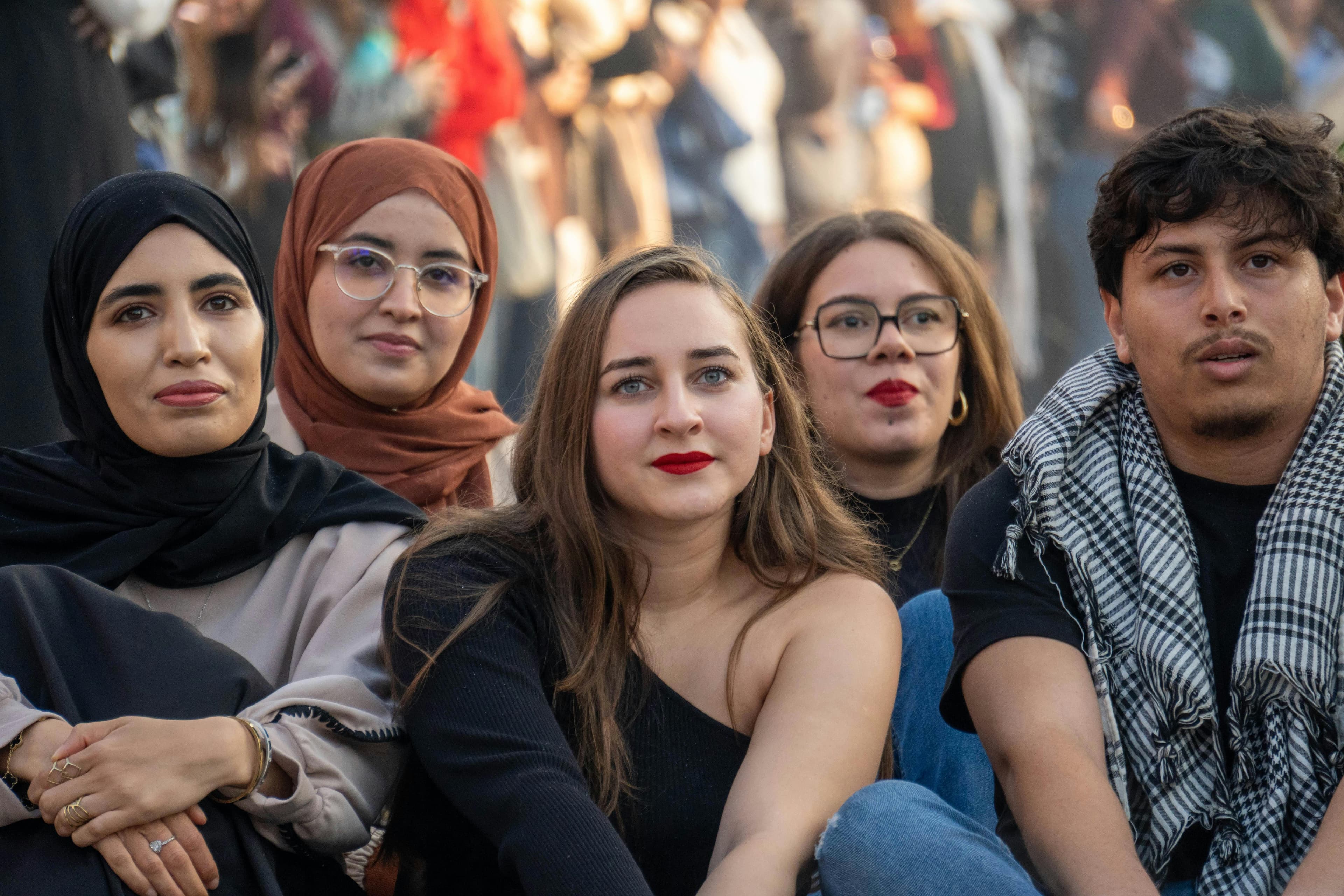
The Arab Youth Paradox: Globally Connected, Locally Frustrated
A generation raised on global media, educated abroad, and fluent in the language of opportunity finds itself navigating labour markets and social structures that were not designed for them.
Weekly intelligence for serious readers
Original analysis, featured essays, and the ideas shaping the region — delivered every Thursday.